When to start advertising for Black Friday
Most brands will switch their ads on around 24 November, set a discount and hope.
The brands that win start earlier, and their Black Friday eCommerce strategy shows it. A review of more than 50,000 online stores over last year’s Black Friday weekend found they spent about 65% as much in the lead-up as they did across the four sale days themselves. Nearly half of that weekend’s revenue came from first-time buyers. The sale is where people buy, but the lead-up decides who they buy from.
If you haven’t started, you haven’t missed it. You do have about two weeks before the offer goes live, so this is the time to move.
Why cold customers cost the most on Black Friday
A stranger who meets your brand for the first time on Black Friday is the most expensive customer you’ll ever buy. Everyone is bidding for them on the busiest ad day of the year. Someone who already knows you, has visited your site or has joined your email list is the cheapest.
So the job right now is turning strangers into people who recognise you.
How we plan a Black Friday strategy
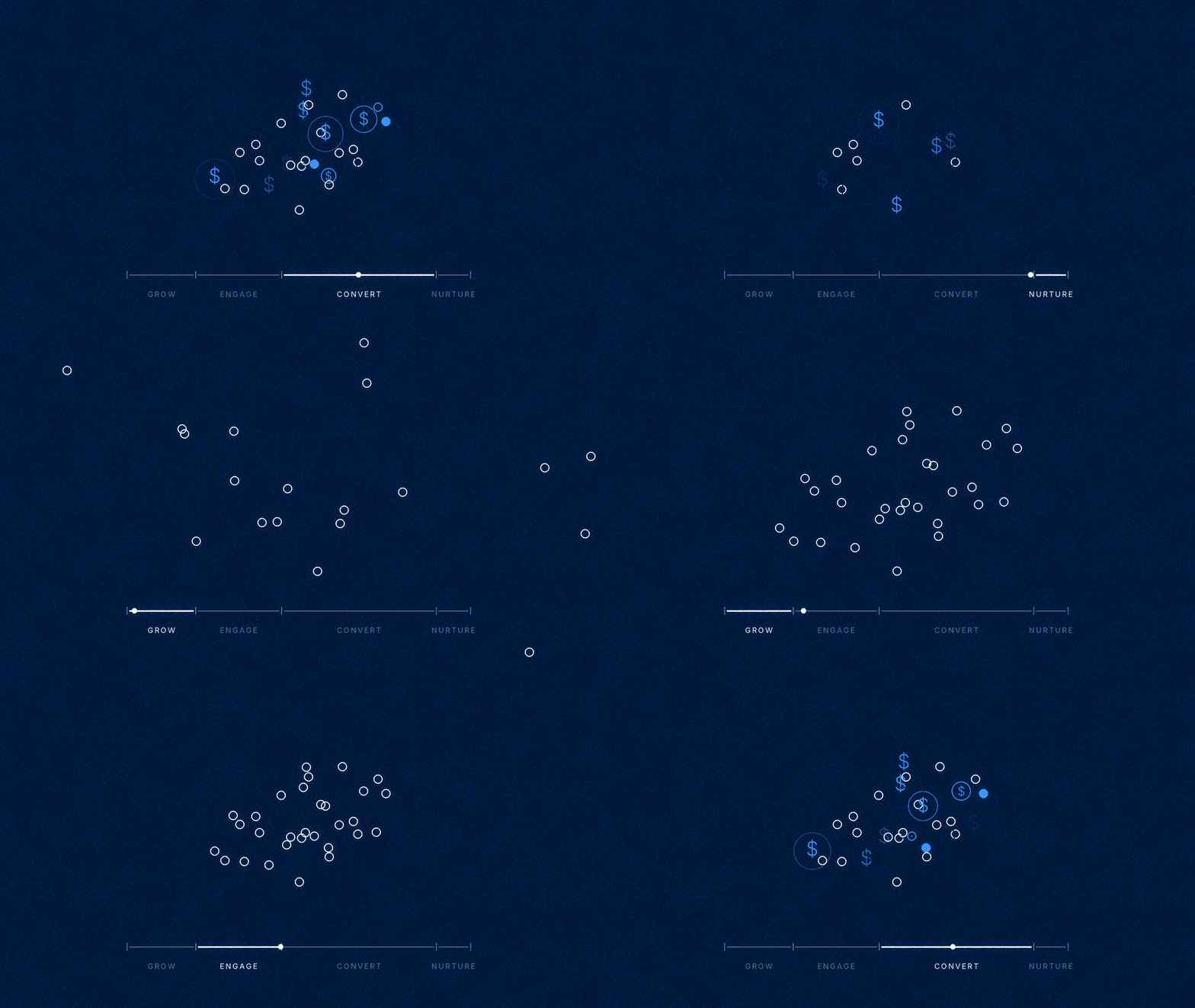
We treat peak season as a three-month campaign in four phases:
- Grow (September to October, ~20% of budget): reach the right people while attention is cheap. We judge it on reach, site visits and sign-ups, not sales.
- Engage (early to mid November, ~25%): this is where you should be right now. Show people reviews and product details, and build an early-access list.
- Convert (24 November to 1 December, ~45%): the offer goes live and the spend goes to people we’ve already warmed up.
- Nurture (December, ~10%): turn first-time buyers into second-time buyers. That’s where a discounted sale becomes a profitable one.
The split flexes with each brand’s margins, stock and how warm the audience already is.
What starting early looks like on Meta
One of our Australian food clients started in September. Compared with August on Meta:
- Clicks: +94%
- Landing page visits: +177%
- New email sign-ups: +67% (1,462 to 2,445)
- Purchases: +6%
Purchases barely moved, and the cost of reaching 1,000 people went up 16%. That’s the plan working. We were buying attention and sign-ups, and every one of those people is far cheaper to reach now than a stranger on Black Friday. The best performer was ads built around customer reviews, shown to recent site visitors: $9 to $10 back for every $1 spent.
Starting late on Black Friday? Do these first
- Retarget recent site visitors with reviews. It’s the fastest way to warm people up.
- Build an early-access list. A pop-up offering first dibs on the sale does this well.
- Check your site on the phone. Mobile drives around 70% of Cyber Week orders, so fix anything clunky before the traffic arrives.
- Map your budgets and offers day by day. Know what runs when, and when it stops.
- Plan your post-sale emails now. Not in December.
Don’t clock off on Black Friday
A good Black Friday Cyber Monday strategy covers four days, not one. Orders land at 11pm on a Sunday, when nobody’s watching the account. The usual disasters are boring ones: a daily budget that runs out by lunchtime, an offer that expires before the ads do, a best-seller that sells out while we’re still promoting it. We watch the whole weekend so you don’t have to.
Starting Black Friday early, by the numbers
One food client, one month of lead-up work on Meta.